Date Added : 2017-10-01
Definition
Types of conditions diagnosed, along with if the onset was before, after or about the same time as the TBI.
All definitions provided below are from Mayo Clinic (http://www.mayoclinic.org) except chronic pain. If a participant asks for a definition of the disease, it is acceptable to tell them the following:
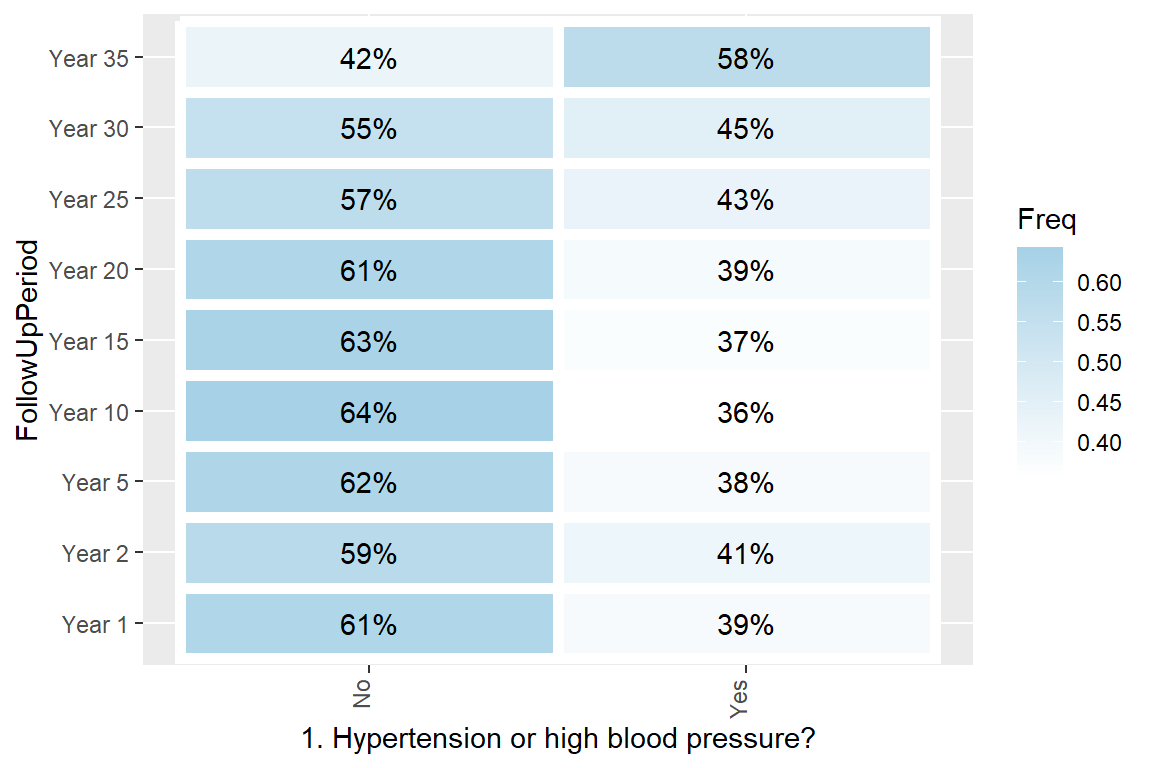
Hypertension/High Blood Pressure: High blood pressure is a common condition in which the long-term force of the blood against your artery walls is high enough that it may eventually cause health problems, such as heart disease. Determined by a high reading with a blood pressure cuff.
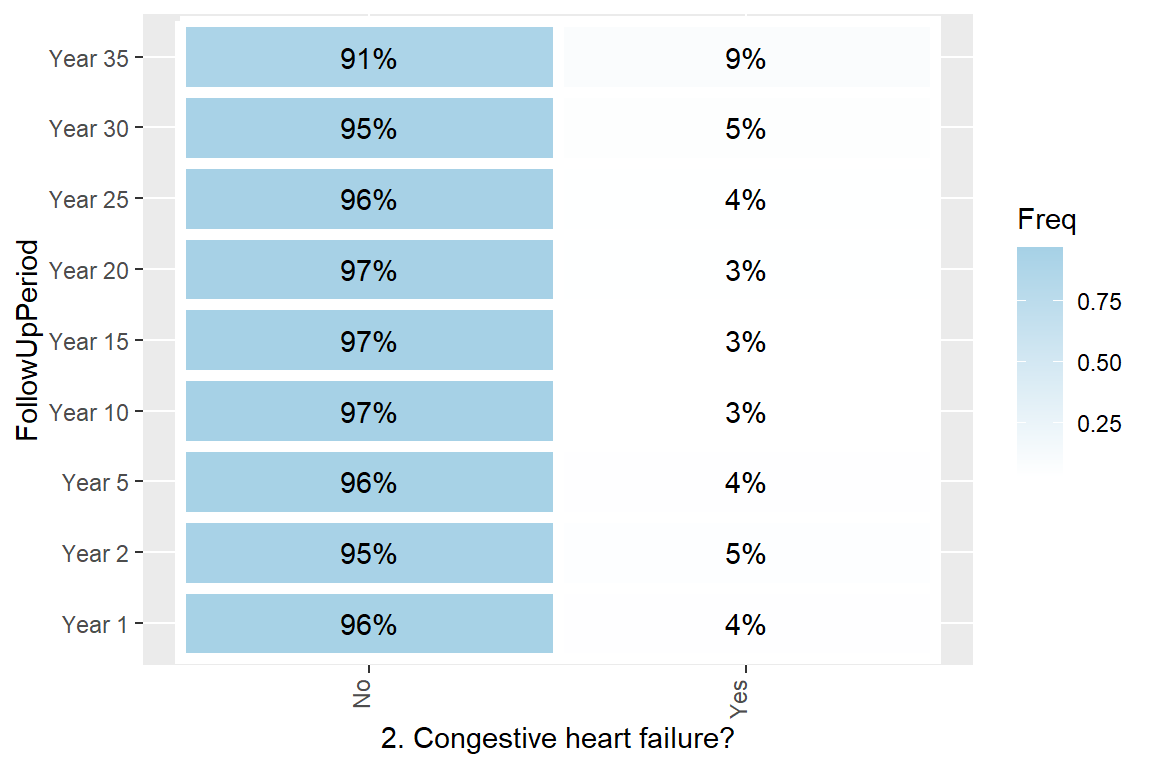
Congestive Heart Failure: Congestive heart failure occurs when your heart muscle doesn’t pump blood as well as it should. Do not include heart murmurs, irregular heartbeats, chest pain, or heart attacks
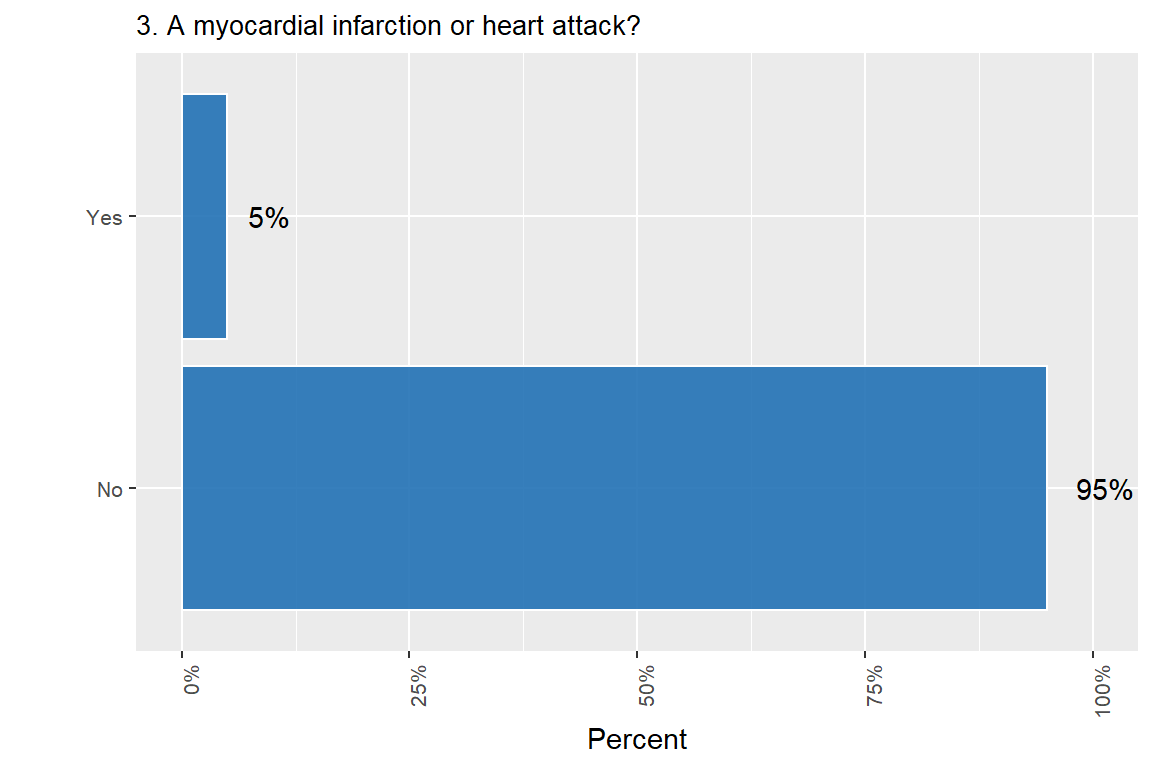
Myocardial Infarction/Heart Attack: A heart attack occurs when the flow of blood to the heart is blocked, most often by a build-up of fat, cholesterol and other substances, which form a plaque in the arteries that feed the heart (coronary arteries). The interrupted blood flow can damage or destroy part of the heart muscle. (http://www.mayoclinic.org/diseases-conditions/heart-attack/basics/definition/con-20019520)
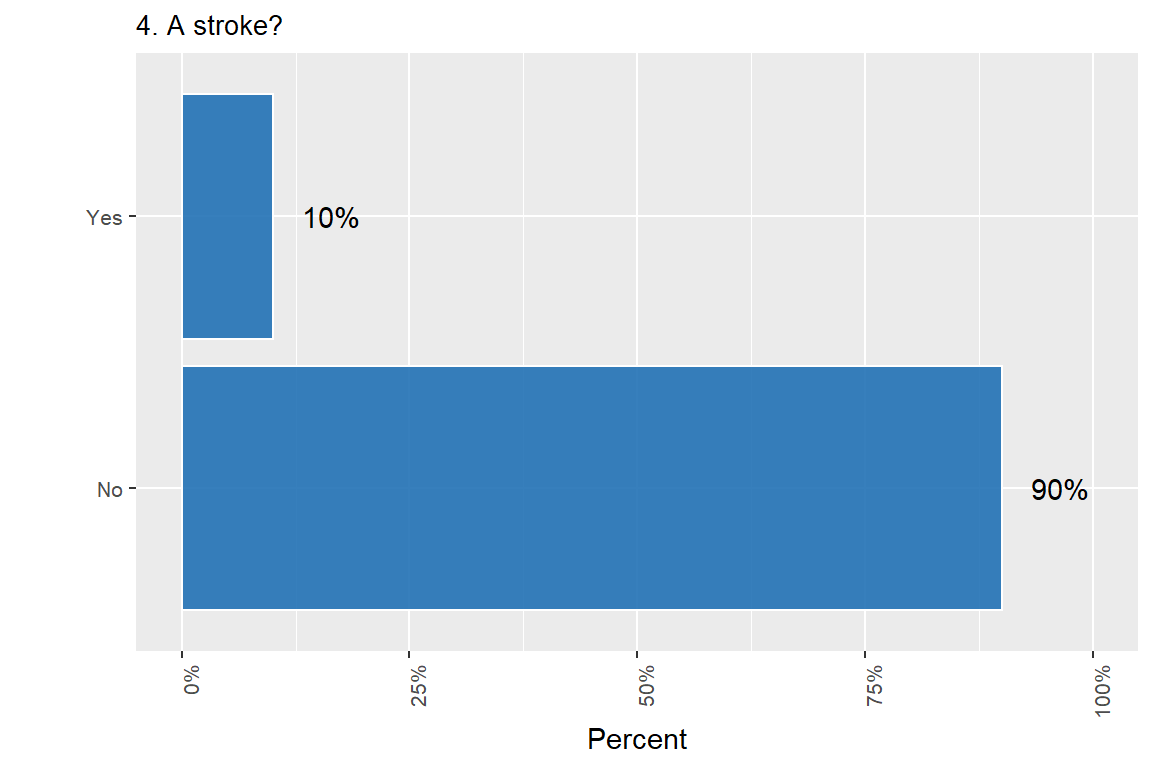
Stroke: A stroke occurs when the blood supply to part of your brain is interrupted or severely reduced, depriving brain tissue of oxygen and nutrients. This can occur if a brain’s blood vessel gets blocks, or if it bursts.
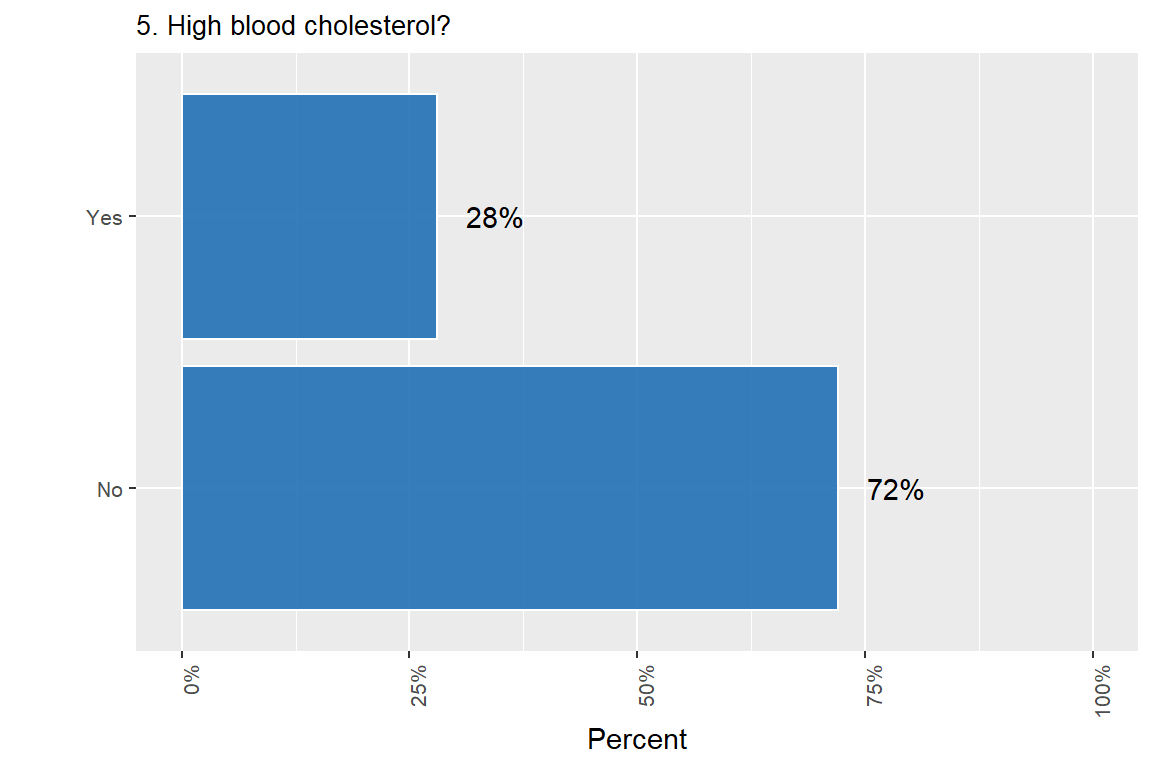
High blood cholesterol: Determined by a lab blood test
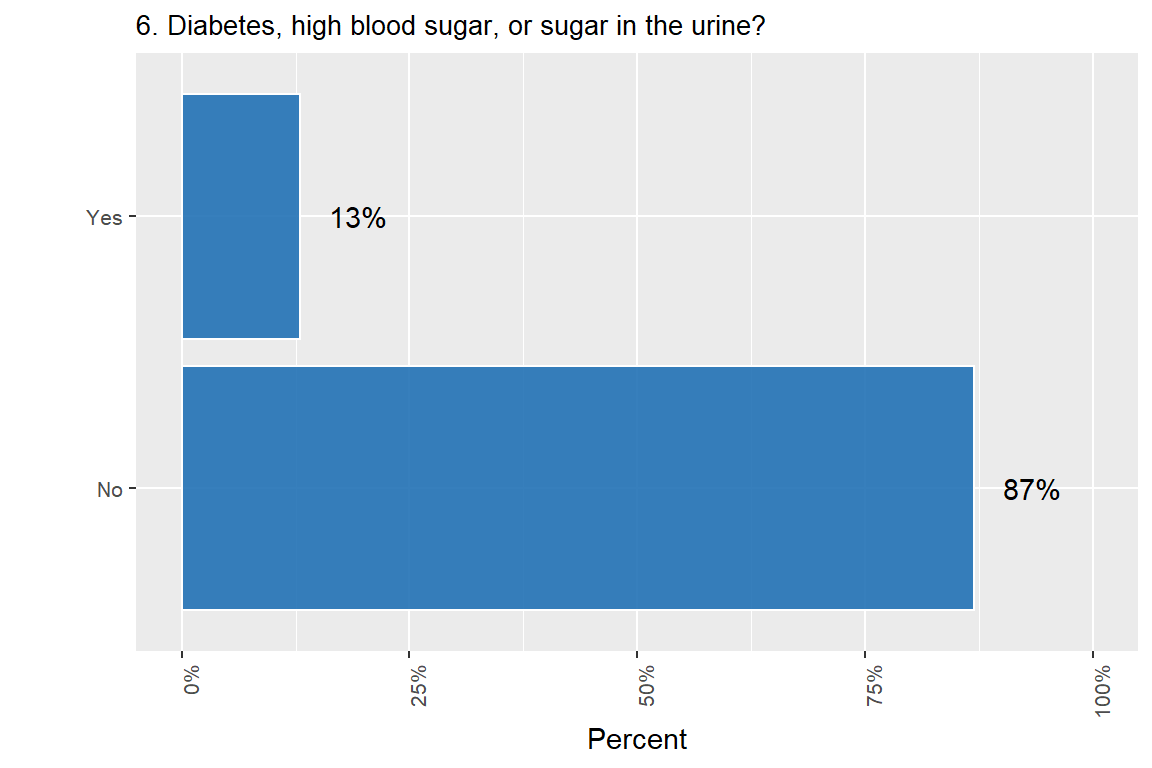
Diabetes, high blood sugar, or sugar in the urine: Disease in which too little or no insulin is produced by the pancreas (Type 1) or insulin is produced but cannot be used normally by the body (Type 2) Do NOT include Diabetes Insipidus, Pre-Diabetes or Gestational Diabetes.
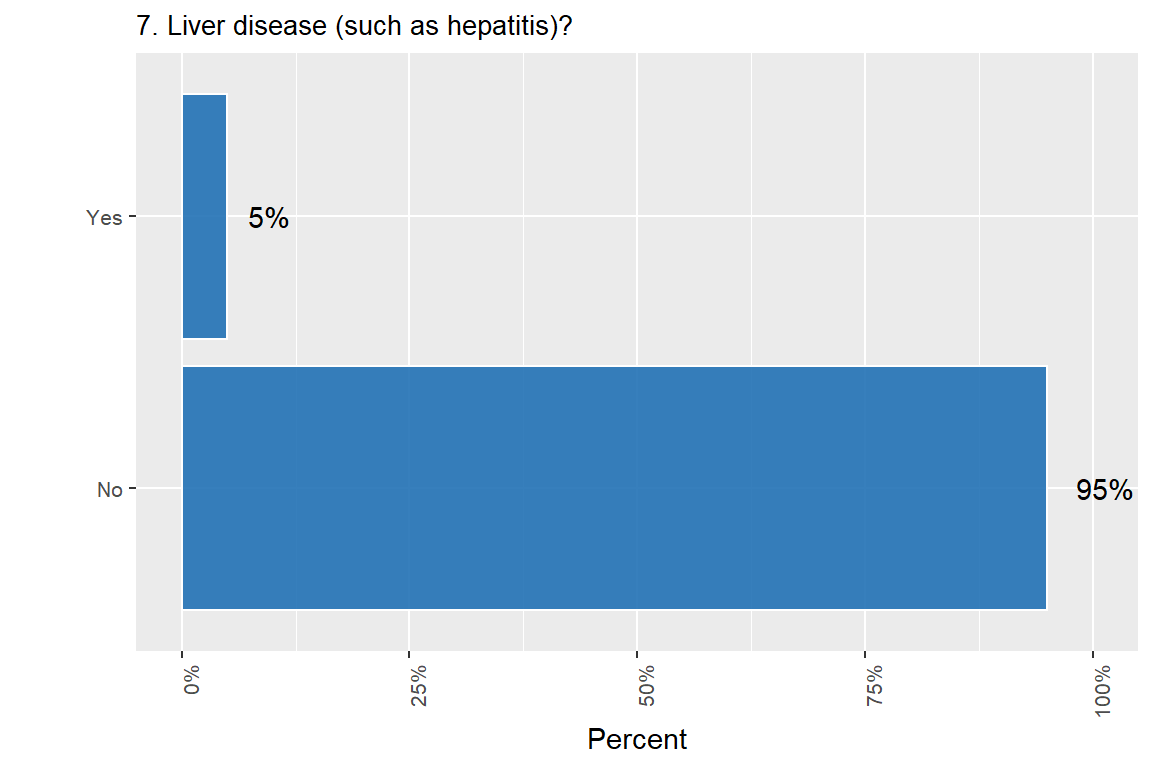
Liver Disease, such as Hepatitis: Hepatitis A, B, and C: Hepatitis A, B, and C are infections caused by viruses that attacks the liver. Toxic hepatitis is an inflammation of your liver in reaction to certain substances to which you’re exposed. Toxic hepatitis can be caused by alcohol, chemicals, drugs or nutritional supplements. Cirrhosis: a late stage of scarring (fibrosis) of the liver caused by many forms of liver diseases and conditions, such as hepatitis and chronic alcohol abuse. Liver disease includes: viral hepatitis (including hepatitis A, hepatitis B; and hepatitis C); autoimmune liver disease (including primary biliary cirrhosis; autoimmune hepatitis, sclerosing cholangitis); genetic liver diseases (including alpha-1-antitrysin deficiency, hemochromotosis, and Wilson’s disease); drug- or medication-induced liver disease; alcoholic liver disease; non-alcoholic fatty liver disease; fatty liver disease; liver cancer; liver cyst; liver abscess; liver fibrosis; and liver cirrhosis. Do not include gallbladder disease; gallstones; or cholecystitis
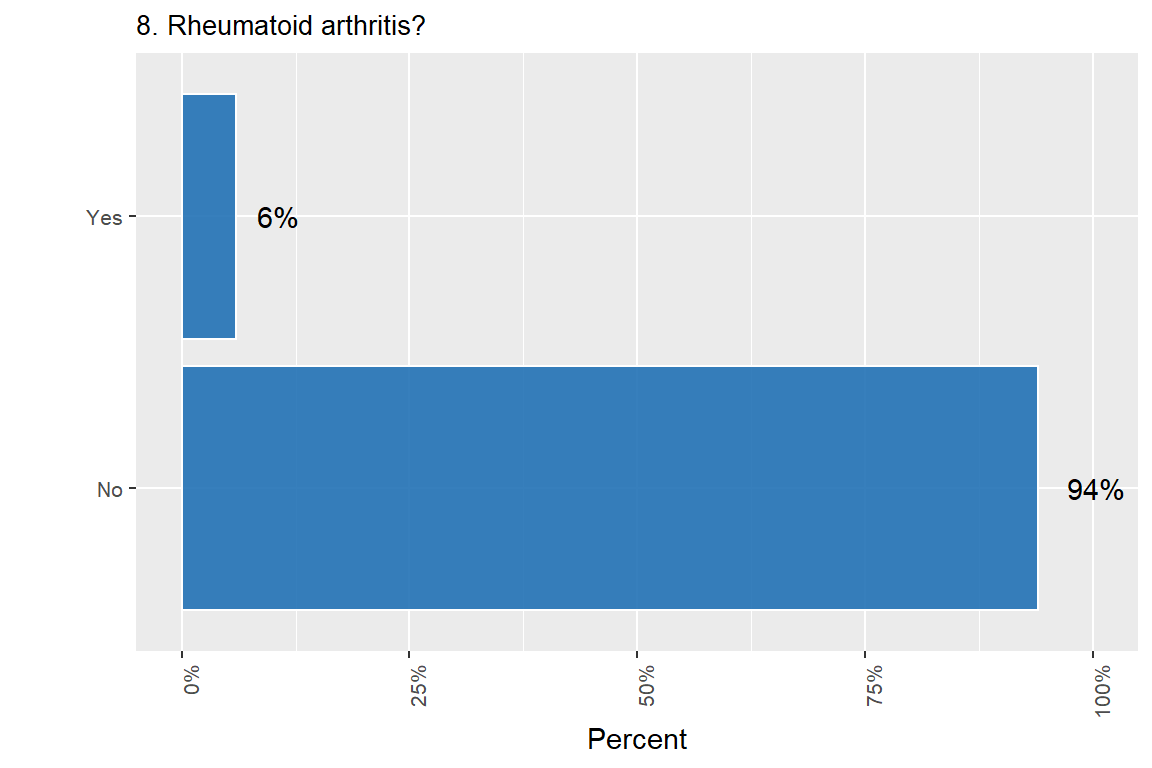
Rheumatoid Arthritis: Rheumatoid arthritis is a chronic inflammatory disorder that typically affects the small joints in your hands and feet. Unlike the wear-and-tear damage of osteoarthritis, rheumatoid arthritis affects the lining of your joints, causing a painful swelling that can eventually result in bone erosion and joint deformity
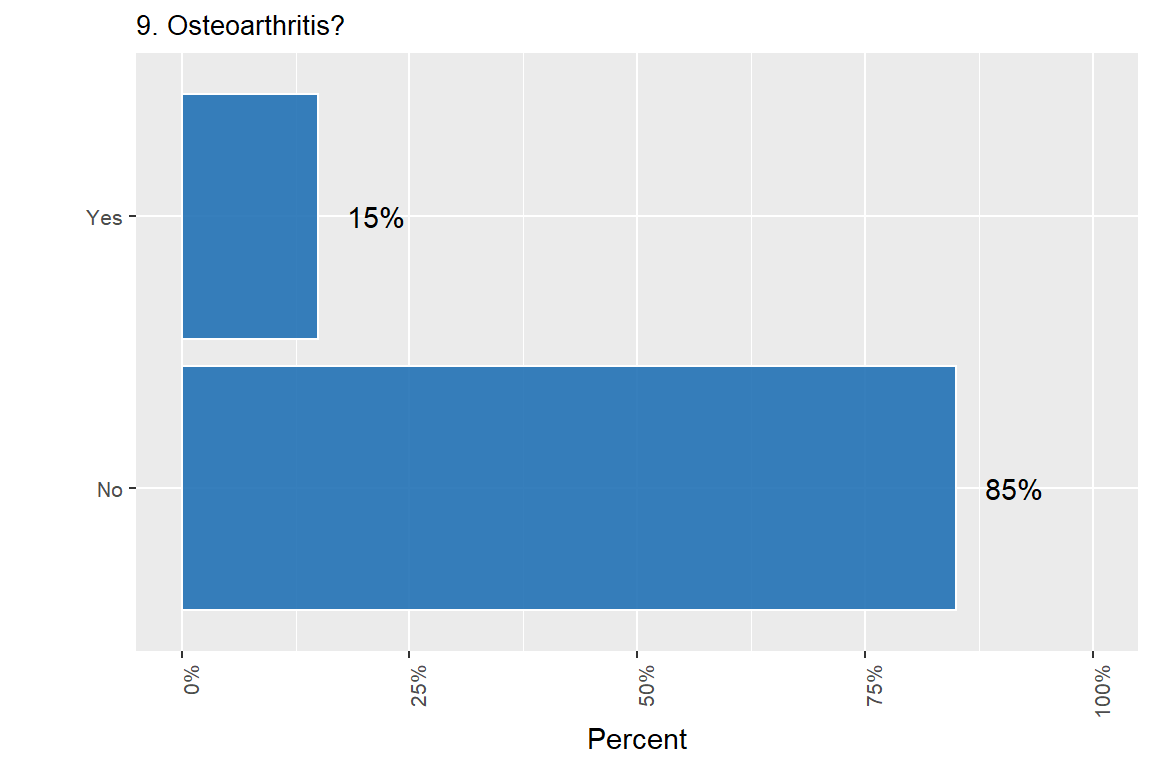
Osteoarthritis: The most common form of arthritis; it involves the wearing away of the cartilage that caps the bones in your joints.
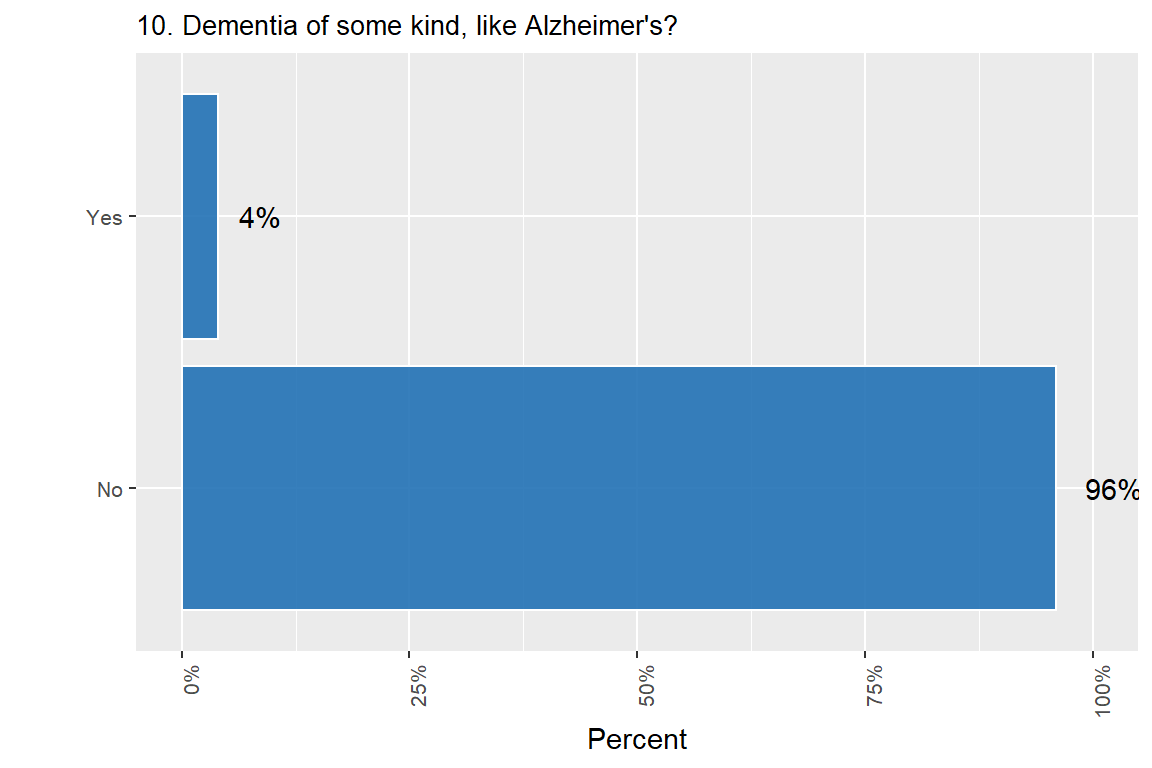
Dementia, like Alzheimer’s: Dementia describes a group of symptoms affecting memory, thinking and social abilities severely enough to interfere with your daily life. It isn’t a specific disease, but several different diseases may cause dementia, including Lewy Body and frontotemporal dementia. Though dementia generally involves memory loss, memory loss has different causes. Having memory loss alone doesn’t mean you have dementia
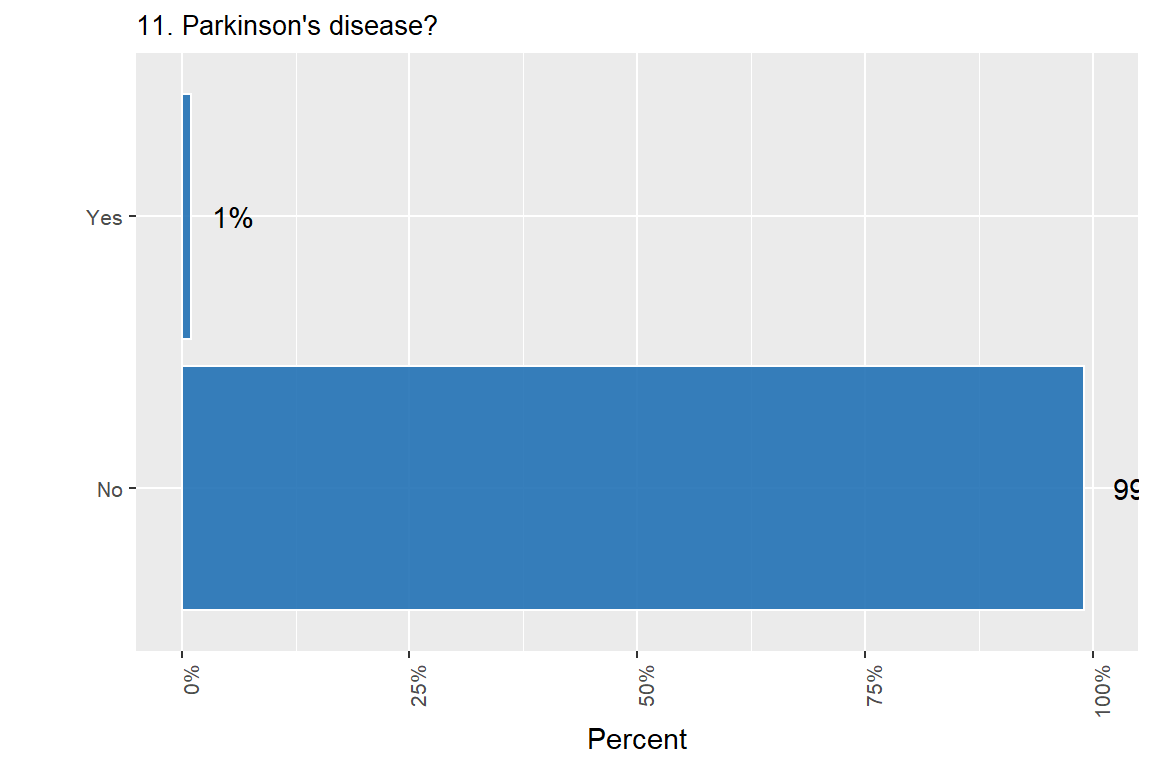
Parkinson’s Disease: Parkinson’s disease is a progressive nervous system disorder that affects movement. Symptoms start gradually, sometimes starting with a barely noticeable tremor in just one hand. Tremors are common, but the disorder also commonly causes stiffness or slowing of movement.
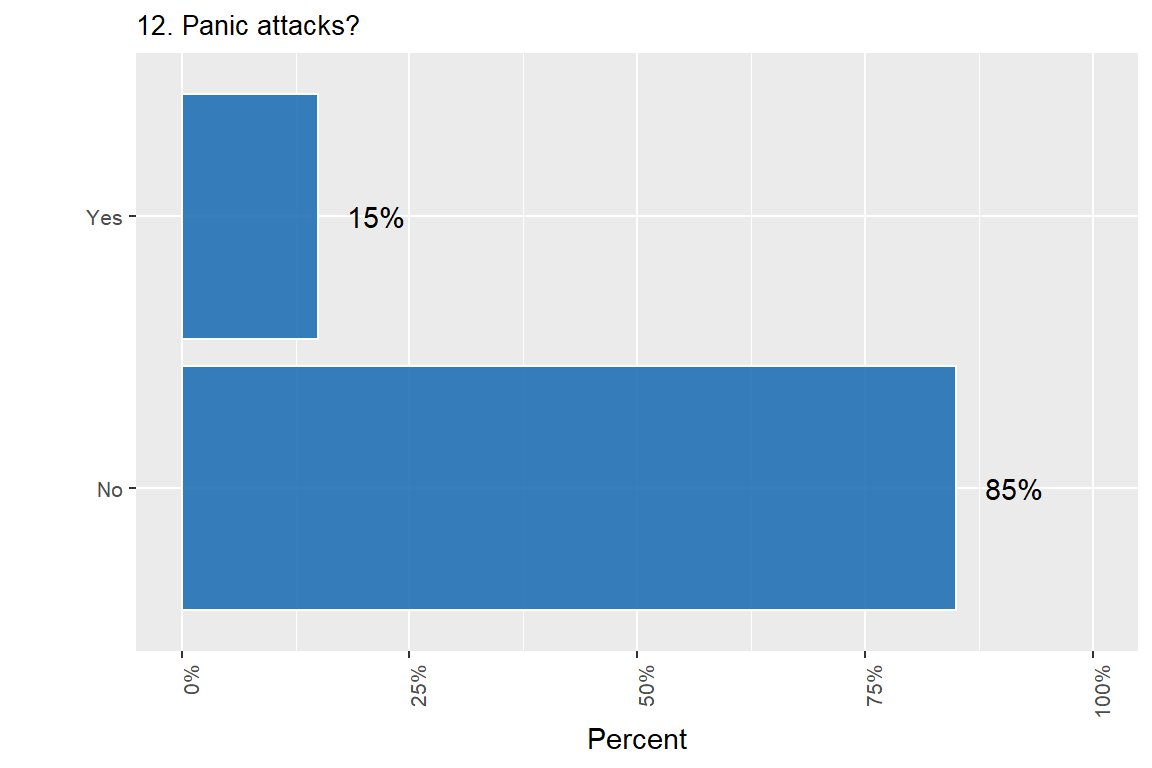
Panic Attacks: a sudden episode of intense fear that triggers severe physical reactions when there is no real danger or apparent cause. Panic attacks can be very frightening. When panic attacks occur, you might think you’re losing control, having a heart attack or even dying. This problem interferes with daily activities and cause significant distress
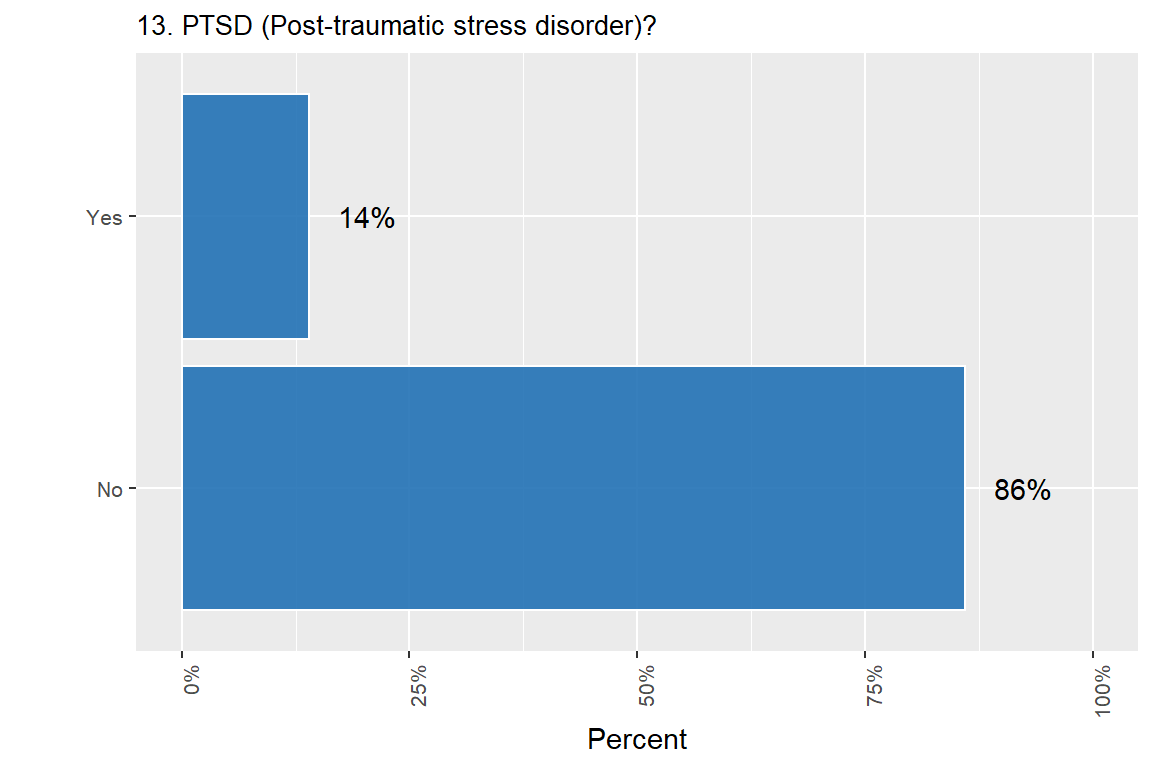
PTSD: a mental health condition that’s triggered by a terrifying event — either experiencing it or witnessing it. Symptoms may include flashbacks, nightmares and severe anxiety, as well as uncontrollable thoughts about the event. This problem interferes with daily activities and cause significant distress
Source
Form 1 - Pre-Injury Interview (participant or proxy)
Form 2 - Interview, Mail-out (participant or proxy)
Details
This measure can be collected from best source available during the Form 2 interview for all participants. Conditions with positive responses will remain positive and should not be asked again on subsequent follow-ups.
For conditions that are present, the follow-up question should be asked:
- ‘Was that before, after or about the same time as your TBI (insert number of years since TBI)?’
First administration: For participants being administered the NHANES for the first time since study enrollment ask “has a doctor or other health professional ever told you that you had…” for each medical condition.
Follow-up administration: For participants who were previously administered the NHANES, if a condition was positively endorsed at a previous data collection time-point, do not ask that item again. Otherwise ask “has a doctor or other health professional ever told you that you had…”
Before, after or about the same time as TBI: A 6 month window on either side of the injury date would be considered to be ‘about the same time’ as TBI.
Do not accept self-diagnosis or a diagnosis that does not come from a doctor or other health professional. “Doctor” is meant to include health care providers who diagnose medical conditions.
The following are acceptable: - Medical Doctors (MD) in all medical specialties including Psychiatrists - Doctors of Osteopathic Medicine (DO) - Physician Assistants (PA) -Nurse Practitioners (NP) - Psychologists, Neuropsychologists (Ph.D. or Psy.D) - Podiatrists (DPM)
Not acceptable (these providers treat but do not diagnose) - Speech Pathologists (SLP) - Registered Nurses (RN) - Physical Therapists (PT) - Social Workers (LSW, LICSW) - Occupational Therapists (OT) - Naturopathic Doctors (ND) - Counselors (LMHC, LMFT, CRC) - Chiropractors (DC)
Reference
Variables were sourced through the following existing surveys. For items 1-8: * Medicare survey questions #20, 22-26, 32, 33 * Medicare Health Outcomes Survey (MHOS)
* Medicare Survey: SAMPLING METHODOLOGY
2009 Cohort 12 Baseline Sampling
CMS identified beneficiaries who were eligible for sampling as follows: * MAOs with fewer than 500 members were not required to report HOS. * For MAOs with 500 to 1,200 members, all eligible members were included in the sample. * For MAOs with more than 1,200 members and less than 3,000 members, a simple random sample of 1,200 members was selected for the baseline survey. * For MAOs with 3,000 or more members, members who responded to the 2008 Cohort 11 Baseline survey were excluded from the 2009 Cohort 12 Baseline sample. * Members were defined as eligible if they did not have End Stage Renal Disease (ESRD). The six months enrollment requirement was waived beginning in 2009.
For a more detailed discussion on sampling, data collection and submission please refer to the HEDIS 2009 Volume 6 manual1 and the Medicare HOS website at www.hosonline.org.
National Committee for Quality Assurance. HEDIS® 2009, Volume 6: Specifications for the Medicare Health Outcomes Survey. Washington, DC: NCQA Publication, 2009. Not sure how to access the comparative data; there is an application to use the data, to use the full survey or parts of the survey.
National Health and Nutrition Examination Survey (NHANES)
The NHANES interview includes demographic, socioeconomic, dietary, and health-related questions. The examination component consists of medical, dental, and physiological measurements, as well as laboratory tests administered by highly trained medical personnel.
Findings from this survey will be used to determine the prevalence of major diseases and risk factors for diseases. Information will be used to assess nutritional status and its association with health promotion and disease prevention. NHANES findings are also the basis for national standards for such measurements as height, weight, and blood pressure. Data from this survey will be used in epidemiological studies and health sciences research, which help develop sound public health policy, direct and design health programs and services, and expand the health knowledge for the Nation. Datasource/Methods: Personal interviews, physical exams, lab tests, nutritional assessment, DNA repository Targeted sample size: 5,000 people/year, all ages. Oversample 60+, blacks & Hispanics Data: Data is available for 1999-2008; the most recent data set available is 2007-2008
National Health Interview Survey (NHIS)
The National Health Interview Survey (NHIS) has monitored the health of the nation since 1957. NHIS data on a broad range of health topics are collected through personal household interviews. For over 50 years, the U.S. Census Bureau has been the data collection agent for the National Health Interview Survey. Survey results have been instrumental in providing data to track health status, health care access, and progress toward achieving national health objectives.
Characteristics
The following Health Condition items were collected from 10/01/2012 to 10/01/2017. See Health Conditions - Archive for more information.
- Cancer
- COPD
- Diabetes
- Heart Attack
- Heart Conditions
- Heart Failure
- High Blood Pressure
- Liver Disease
- Stroke
On 4/1/2022, collection of age diagnosed, along with the following NHANES items were removed from Data Collection.
- OtherHeartConditions - Heart arrhythmias
- Emphysema - Emphysema or asthma or COPD
- Pneumonia
- SleepDisorder - Sleep disorder like sleep apnea - Cataracts
- ChronicPain
- Alcoholism
- DrugAddiction
- Depression
- Anxiety
- BipolarDisorder - Bipolar disorder or manic-depression - ADDADHD - Attention deficit disorder (ADD) / Attention deficit hyperactivity disorder (ADHD)
- OCD - Obsessive-compulsive disorder
On 10/1/2024, collection of current Form 2 NHANES items were added to Form 1 collection.